BrandCraft Digital Campaigns, craft, and growth for modern brands.

BrandCraft Digital

Campaigns, craft, and growth for modern brands.

Latest Articles

Scan Me Doesn't Sell: Turning QR Codes Into Brand Invitations
Growth Tactics

Scan Me Doesn't Sell: Turning QR Codes Into Brand Invitations

Most QR codes on packaging and signage are dead ends dressed up as convenience. Here's a practical system for picking destinations, earning the tap with the right context, and measuring whether your offline-to-online bridge actually builds a relationship.


The Empty Feed Advantage: A Six-Day December Sprint for US Brands
Growth Tactics

The Empty Feed Advantage: A Six-Day December Sprint for US Brands

Most US brands clock out after the holiday rush, which leaves a strange and useful opening between December 26 and 31: cheaper attention, restless scrollers, and far less competition. This is a practical six-day sprint for brands that want to stay visible without dragging Q1 into December.

The Couch-Search Window: Designing CTV Spots That Survive the Phone Grab
Growth Tactics

The Couch-Search Window: Designing CTV Spots That Survive the Phone Grab

Most TV and CTV buys are measured as if the living room goes dark when the spot ends. This playbook treats the next 15 minutes as part of the campaign: one typeable cue, one clean landing path, and a defensive search buy that catches the handoff.

The Porch Is Part of the Package: A Damage-First Audit for US DTC Shipping
Design Trends

The Porch Is Part of the Package: A Damage-First Audit for US DTC Shipping

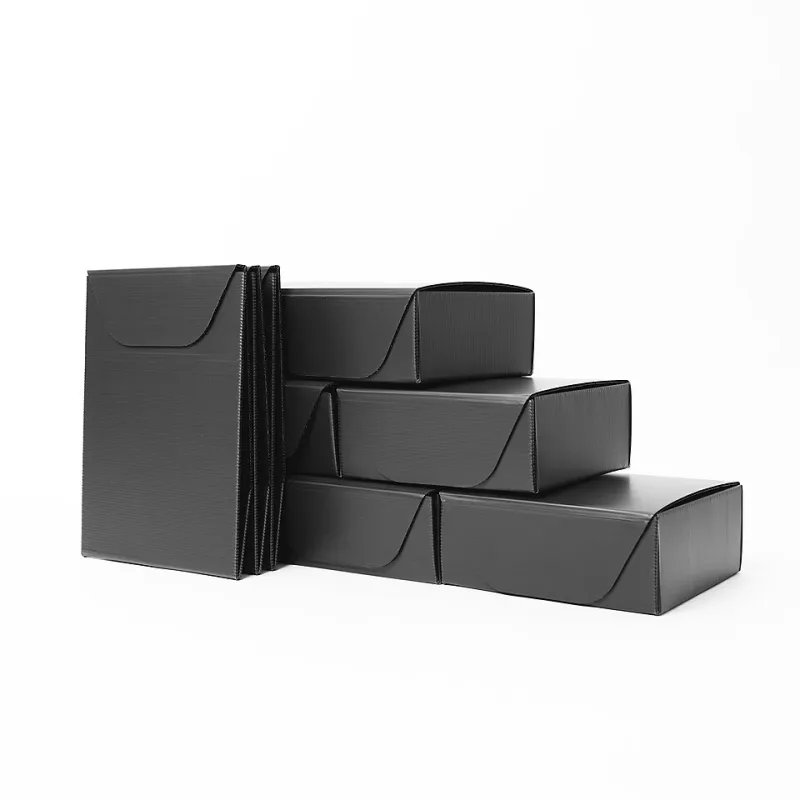
Most packaging reviews begin after the box has been kicked, rained on, and stacked by a carrier. This damage-first audit treats the porch, the threshold, and the recycling bin as part of the brand experience, with a practical checklist and small-budget fixes that keep the story intact even when the packaging is not.

The Comeback Package: Designing a Return That Feels Like a Brand, Not a Bureaucracy
Growth Tactics

The Comeback Package: Designing a Return That Feels Like a Brand, Not a Bureaucracy

Returns are usually filed under cost, not craft. But the label, the portal copy, and the drop-off moment are often the last tangible brand experience a US shopper has—and the easiest place to earn the next order. Here is how to design the second unboxing with the same care as the first.

Clearance Is a Drop, Not a Banner: A Limited-Run Playbook for US DTC Overstock
Growth Tactics

Clearance Is a Drop, Not a Banner: A Limited-Run Playbook for US DTC Overstock

Excess inventory does not have to become a permanent discount aisle. This playbook treats clearance like a small, named drop—so US DTC brands can move stock, protect margin, and avoid teaching shoppers to wait for the next markdown.

The Thumbnail-First Pack: A Three-Distance Proof for US Retail Rollouts
Design Trends

The Thumbnail-First Pack: A Three-Distance Proof for US Retail Rollouts

Most packaging gets approved on a big screen and then fails on a phone, a shelf, and a hurried hand. This is a practical three-distance audit for US brands that need one package to work in a bodega cooler, a Target aisle, and a delivery-app tile.

The Group Chat Is the Real Review Site: A Screenshot Stress Test for US Campaigns
Growth Tactics

The Group Chat Is the Real Review Site: A Screenshot Stress Test for US Campaigns

US shoppers do not just see your campaign—they forward fragments of it. This is a practical stress test for copy, crops, offer terms, and support replies that need to survive context collapse, plus how to fix the weak spots before a single frame does damage.

The Line Item That Looks Like Waste: Funding Craft in US Campaigns
Growth Tactics

The Line Item That Looks Like Waste: Funding Craft in US Campaigns

Most campaign budgets reward what can be counted, which is why the memorable parts often get cut first. Here is a practical case for holding back a small, protected slice for unscalable craft and keeping it from becoming clutter.

The First Frame Is the Ad: A Sound-Off Pre-Roll Test for US Video Buys
Growth Tactics

The First Frame Is the Ad: A Sound-Off Pre-Roll Test for US Video Buys

American viewers do not watch pre-roll so much as survive it. This is a practical, sound-off test for the first frame, the one line of copy that buys the next five seconds, and a scorecard your team can run before the media budget goes live.

Zero Results, Full Brand: Designing the Screens Your Funnel Forgot
Design Trends

Zero Results, Full Brand: Designing the Screens Your Funnel Forgot

Your homepage gets the mood board and your 404 gets whatever the template shipped with. That's a brand gap worth closing. Here's how to audit, write, and design the empty cart, zero-result search, and error pages that quietly shape recall.

The Mute Button Audit: Can Your Brand Sell Itself in Ten Feet?
Growth Tactics

The Mute Button Audit: Can Your Brand Sell Itself in Ten Feet?

Strip away the founder story, the tagline, and the launch deck. What is left when a shopper sees your packaging, thumbnail, or social tile with no one around to explain it? Here is a low-cost field audit US brands can run before the next campaign goes live.

The Debrief That Actually Ships: A 45-Minute Triage for Finished Campaigns
Growth Tactics

The Debrief That Actually Ships: A 45-Minute Triage for Finished Campaigns

Most campaign reviews turn into either a victory lap or a blame session, and the useful lessons get buried. This is a tight 45-minute ritual for US brand teams: sort notes into what compounded, what leaked, and what to retire, then walk out with owners and a cleaner next brief.

The Inbox Is the Focus Group: Turning Support Threads Into Campaign Copy
Growth Tactics

The Inbox Is the Focus Group: Turning Support Threads Into Campaign Copy

Your customers are already writing your campaign copy — in support tickets, reviews, and DMs. Here is a lightweight way to mine that language for hooks, proof points, and objection-handling without turning complaints into a privacy problem.

When Creators Drive, Keep the Dashboard: A Voice-Handoff Playbook for US Brands
Growth Tactics

When Creators Drive, Keep the Dashboard: A Voice-Handoff Playbook for US Brands

Handing a campaign to a creator is not a custody battle over every comma. It is a relay race with brand codes, approval speed, and reuse rights on the line. Here is how US marketing teams can pass the wheel without letting the voice drift.

The Earworm You Can Own: Building a Sonic Signature That Survives the Feed
Design Trends

The Earworm You Can Own: Building a Sonic Signature That Survives the Feed

US brands have polished their visual systems while leaving audio to stock tracks and improvised hold music. A compact sonic logo—three seconds or less—can close that gap across short-form video, podcasts, retail, and voice interfaces, but only if it is designed, licensed, and tested like a real brand asset.

Turn the Ship, Keep the Flag: How US Brands Pivot Mid-Campaign Without Losing the Plot
Growth Tactics

Turn the Ship, Keep the Flag: How US Brands Pivot Mid-Campaign Without Losing the Plot

Live campaigns rarely fail in one dramatic moment. They drift—CTR softens, sales calls change shape, a hook stops landing. Here is how to decide whether to refine or kill a campaign element, and how to make the turn without giving the audience whiplash.

Your Voice Guide Isn't Machine-Readable: Building the AI Style Kit Your Team Will Actually Open
Growth Tactics

Your Voice Guide Isn't Machine-Readable: Building the AI Style Kit Your Team Will Actually Open

Most brand voice documents are 40-page essays written for humans — which is exactly why the AI drafts your team ships sound like everyone else's. Here's the compact, machine-friendly style kit we build for US clients in 2026, plus the review checkpoints that keep it from drifting.

The Brand Behind the Answer: Winning Recall When Search Stops Sending Clicks
Growth Tactics

The Brand Behind the Answer: Winning Recall When Search Stops Sending Clicks

AI summaries now answer plenty of US shopping questions before a brand’s page gets a look. This 2026 playbook covers the facts, proof, and structure that make a brand citation-worthy—plus a measurement model for campaigns judged by memory and influence, not clicks alone.

Accent Without Costume: How National Brands Can Borrow Regional Voice and Still Sound Like Themselves
Growth Tactics

Accent Without Costume: How National Brands Can Borrow Regional Voice and Still Sound Like Themselves

Regional flavor is the cheapest differentiator left on the table — and the easiest to botch. Here's a three-part voice audit, a look at 2026 campaigns that nailed it, and the guardrails that keep local tone from turning into a costume.