The Inbox Is the Focus Group: Turning Support Threads Into Campaign Copy
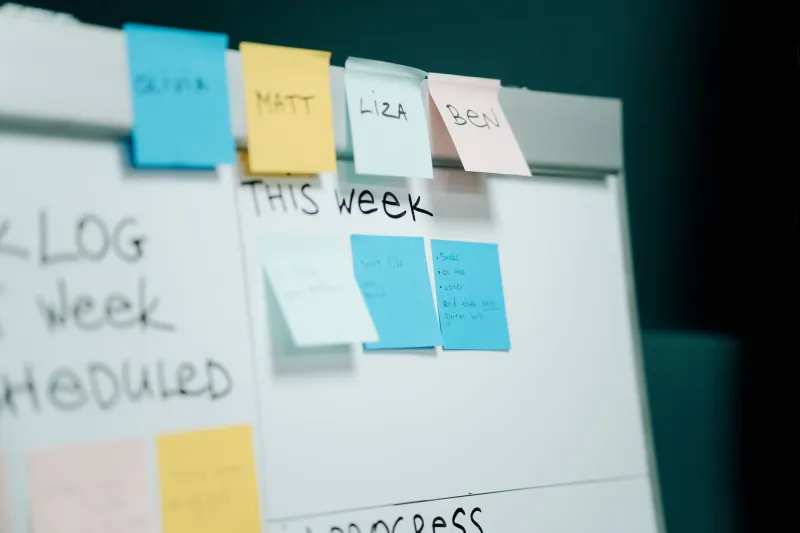
Most campaign planning starts with a brainstorm and a blank wall. The better starting point is usually sitting in your help desk at 11:42 p.m., typed in frustration, with a typo and a screenshot attached. Support tickets, reviews, and DMs are unprompted, specific, and emotionally honest. That makes them a stronger creative brief than most surveys you could run this quarter.
At BrandCraft Digital, we like to call this the inbox focus group. It is not glamorous. It is not statistically significant. But it is where US shoppers tell you exactly what they expected, where the experience broke, and what they wish you had said on the product page.
Why Support Beats a Survey
A survey asks people to remember a feeling. A support ticket catches them mid-feeling. The language is messier, but it is real: “the checkout kept refreshing,” “I could not tell if this fit my counter,” “I emailed twice and nobody wrote back.” Those phrases are campaign raw material because they are the exact words a future customer will use when they hesitate.
Support also surfaces the objections your brand team has stopped noticing. When you work on a product every day, “Is this returnable?” feels obvious. When it shows up in 40 tickets, it is a landing-page problem.
Run a 90-Minute Mining Sprint
You do not need a data science team. You need one marketer, one support lead, and a shared spreadsheet. Once a week, block 90 minutes and work through this sequence.
- Pull the last 30 days from three channels. Grab help desk tags, reviews under three stars, and saved DMs. Export only what you need. Strip names, emails, order numbers, and anything else that identifies a person before the file leaves the support tool.
- Read for four buckets. Friction phrases (“kept timing out”), desired outcomes (“I just want it to arrive before Friday”), comparison mentions (“I almost bought the other one”), and emotional spikes (“I am done with this”).
- Tag in a spreadsheet. Use columns for theme, cleaned quote, product area, sentiment, and campaign use: hook, proof point, objection, or FAQ.
- Cluster the themes. Count is direction, not science. Five mentions of the same confusion matters more than one loud all-caps thread.
- Write five “customer says / we say” pairs. Keep them short. “Customer says: I could not tell if it would fit. We say: Check the fit in 30 seconds with our size guide.” That pair is closer to a campaign than a 12-slide deck.
From Complaint to Hook Without Being Gross
The trap is mockery. A complaint is not a punchline. You are translating frustration into a promise, and the promise has to be true. Use a simple ladder: complaint, promise, proof.
- Complaint: “Why does this take so long?”
- Promise: “Know where it is before you wonder.”
- Proof: A real carrier scan, a map in the confirmation email, or a support response-time stat you can actually stand behind.
If you cannot fill the proof rung, you have a product or operations issue, not a campaign angle. Do not paper over it with clever copy. US shoppers are quick to spot a brand that says “we heard you” and then changed nothing.
Build an Objection-to-Proof Map
This is where support language earns its keep. List the top five objections, then pair each one with a proof asset. Price concerns might need a cost-per-use calculator. Trust concerns might need third-party reviews or a clear returns policy. Fit concerns might need a size guide built from real return data. Support concerns might need a published response-time window.
The goal is not to repeat complaints in ads. The goal is to answer them before they become tickets. A landing page that mirrors the top five support themes will usually outperform one built from internal assumptions.
Privacy and Permission: The Boring Stuff That Saves You
Do not copy a support ticket into a campaign deck and call it voice-of-customer. Strip personal information at export. Aggregate quotes when possible. If you want to use a verbatim quote with a name, photo, or handle, get written permission and keep a consent log. Support content is not a free content library.
US privacy rules vary by state, and laws like the CCPA and CPRA in California give consumers rights over personal information. Platform terms matter too. The FTC also cares about deceptive endorsements, so a testimonial pulled from a support thread still needs to be real, representative, and properly disclosed. If you work in health, finance, or anything regulated, add a second review before anything leaves the building.
Tone Traps to Avoid
- Do not turn pain into a joke. A frustrated customer is not a character in your brand voice exercise.
- Do not shame competitors. A ticket that mentions a rival is not proof that you are better.
- Do not fake specificity. “We heard you” only works if the next sentence says what changed.
- Do not quote minors or vulnerable customers. Skip anything that feels invasive.
- Do not over-polish the language. The rough phrase is often the useful one. Clean the grammar, keep the truth.
A Tiny Template Your Team Will Actually Open
Keep the spreadsheet boring: date, channel, cleaned quote, theme, severity, proof available, campaign asset, owner. Review it for 15 minutes each week with support, marketing, and product in the room. Rotate who reads the tickets so the campaign team does not lose touch with the queue.
After a quarter, you should see landing-page objections mirror the top tickets, ad hooks sound like customer language, and the FAQ page cut down repeat contacts. That is the real win. You are not “mining” customers for content. You are closing the loop between what they tell you and what you publish.
Your next campaign line probably exists already, buried in an angry paragraph with a typo. Treat it with respect, and it will do more for you than another brainstorm.