The Porch Is Part of the Package: A Damage-First Audit for US DTC Shipping
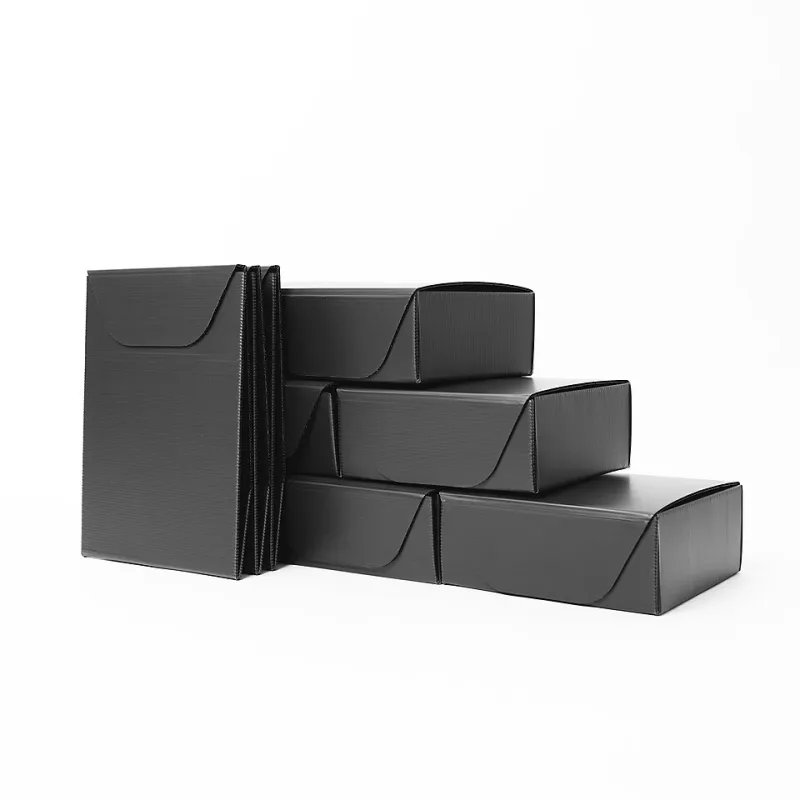
Photo: rhinopaq, CC BY-SA 4.0, via Wikimedia Commons
Most packaging reviews start too late. By the time a customer films the unboxing, the carton has already been through a carrier hub, a delivery truck, a rain shower, and maybe a neighbor's dog. The brand story inside is intact only if the outside survived. That gap between the feed-ready box and the porch-beaten box is where a lot of US DTC trust quietly leaks.
This is not a plea for thicker cardboard everywhere. It is a case for a damage-first design review: a quick, repeatable audit that treats the porch, the threshold, and the recycling bin as part of the brand experience. At BrandCraft Digital, we call it the crumple test. Not because every box needs to survive a tumble dryer, but because every box needs a plan for the moments after the carrier lets go.
Design for the Worst Frame, Not the Hero Frame
Unboxing content usually shows a clean surface, a crisp logo, and a satisfying peel. Real deliveries are less cinematic. They arrive scuffed, sun-faded, dented at the corner, or stacked under something heavier. If your packaging only works in the hero frame, you are designing for the exception. The goal is to make the worst frame still feel intentional.
That changes the brief. Instead of asking, 'How does this look on camera?' ask, 'What does this say when the ink is scuffed and the flap is bent?' A brand that looks careful even in a bruised box is telling a better story than a perfect box that arrives crushed.
Stage One: The Porch
The porch is the first uncontrolled environment. In the US, that can mean a covered stoop in Philadelphia, an open walkway in Phoenix, a shared mailroom in Chicago, or a driveway in rural Texas. Weather, visibility, and time are all variables.
Audit for:
- Can the label survive moisture without turning to mush?
- Does the box stand up to a light rain or a sprinkler pass?
- Is the brand mark still legible after a day in the sun?
- Does the package look tamper-evident without looking paranoid?
- Is there a clear 'this side up' cue that a driver can read at a glance?
Small fix: move key brand cues away from the bottom edge and corners, where scuffs and moisture collect. Use a weather-resistant label or a printed seal that does not depend on a paper sticker. Add a QR code to a care page, not just a tracking page, so a damaged box still has a route to help.
Stage Two: The Threshold
The threshold is where the customer takes over. This is the moment when packaging either guides the experience or gets in the way. A box that opens cleanly but hides the instructions under three layers of void fill is not a luxury experience. It is a scavenger hunt.
Audit for:
- Can someone open the package with household scissors and no swearing?
- Are the instructions visible within the first ten seconds?
- Is the insert doing a job, or just filling space?
- Does the seal peel cleanly without tearing the brand story?
- If the product is fragile, does the packaging explain why it is packed that way?
Small fix: print a one-line 'open here' cue on the top flap. Put the first instruction on the inside lid, not buried beneath the product. Replace loose fill with a folded insert that holds the item and carries the care card. If you use a seal, test it after a simulated rough delivery, not just on a clean table.
Stage Three: The Recycling Bin
The recycling bin is the least glamorous stage, and the one most likely to be photographed for a review. Customers notice when a box is impossible to break down, when plastic film is mixed with paper, or when the disposal instructions are missing. In the US, recycling rules vary by municipality, so vague claims can backfire.
Audit for:
- Can the box be flattened without a box cutter and a fight?
- Are materials separated clearly?
- Does the packaging avoid mixing plastic windows with paperboard unless necessary?
- Are disposal instructions short and honest?
- Does the package leave a residue or a mess on the counter?
Small fix: add a simple icon line on the bottom: 'Flatten. Recycle with paperboard.' Use paper tape instead of plastic tape where possible. If you must use plastic, make it easy to peel away and label it. Avoid compostable claims unless your local system actually accepts them.
The 20-Minute Crumple Audit
You do not need a lab to run this. You need one box, one afternoon, and a willingness to be honest.
- Pack a real order exactly as it ships.
- Drop it from waist height onto a hard floor, twice.
- Spray it lightly with water and let it sit for ten minutes.
- Stack a second box on top for five minutes.
- Open it with the tools a customer would actually use.
- Follow the instructions without prior knowledge.
- Flatten and sort the packaging for recycling.
- Photograph each stage and note where the brand story breaks.
Score each stage from one to five. Anything below a three is a fix. Keep the photos in a shared folder so design, ops, and customer support are looking at the same evidence.
Small-Budget Fixes That Buy Credibility
You do not need a custom structural engineer for every SKU. Start with the cheapest changes that protect perception:
- Add a printed seal or sticker that covers a corner seam.
- Move the logo inward by half an inch.
- Use a single-color instruction card instead of a glossy insert.
- Test a paper-based tape on one SKU.
- Write a two-sentence care note for the inside lid.
- Add a 'damaged? here is what to do' line on the outside label.
These are not glamorous. They are the kind of details that make a brand feel grown-up when the delivery does not go perfectly.
What to Measure After the Fix
Track damage claims, replacement requests, and support tickets that mention packaging. Read the one-star reviews for the phrase 'arrived crushed' and see if the complaint is about the product or the box. Then run the crumple test again after your next packaging run. The goal is not a perfect box. It is a box that keeps telling your story after the carrier, the weather, and the recycling bin have all had a turn.
That is a better unboxing story than any clean table can tell.