Weekend Storefronts, Six-Month Stories: The New Pop-Up Playbook for US Digital Brands
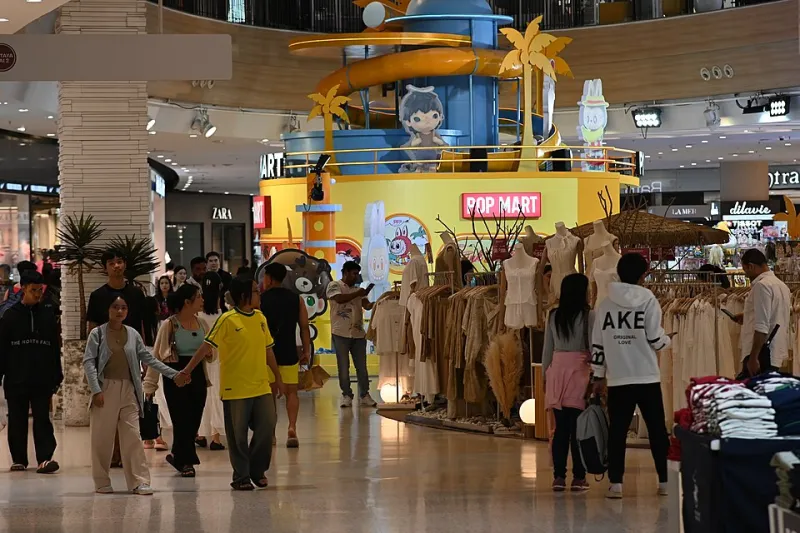
Photo: PattayaPatrol, CC BY-SA 4.0, via Wikimedia Commons
There is a particular kind of American retail poetry in a empty storefront with good light. In 2026, digital brands are noticing. Landlords in cities like Austin, Chicago, Brooklyn, and Los Angeles are more open to short-term leases, and brands that once poured every dollar into paid social are testing physical space for a weekend—sometimes 72 hours—to see what happens when the funnel gets a front door.
But the smartest pop-ups are not just stores. They are campaign production sites. A well-planned weekend can generate a quarter's worth of photo assets, video clips, customer interviews, email signups, local search signals, and community goodwill. The trick is treating the lease like a content studio with a cash register, not a mini flagship store with a countdown timer.
Why the math changed
Digital acquisition is not getting cheaper. For many US brands, the cost to acquire a customer through paid channels keeps climbing, and the creative refresh cycle keeps shortening. A pop-up does not solve that permanently, but it can change the unit economics of a campaign. Instead of paying for another round of studio content, you pay for a space that produces content, revenue, and relationship data at the same time.
Landlords, meanwhile, are dealing with vacancies and want activation. That has created a gray zone of weekend leases, shared spaces, and short-term licenses that did not feel accessible to small brands a few years ago. The result is a new design trend: retail as a set, a stage, and a listening room.
Site selection: traffic is not the only metric
Do not chase the busiest corner by default. A high-foot-traffic block can be worth it, but only if the space supports the story you want to tell. Look for natural light, a flexible floor plan, visible power outlets, a clean back room, and at least one wall that can become a hero backdrop. Check the sidewalk. Is there room for A-frame signage? Is the entrance ADA-accessible? Can a delivery van stop nearby?
Study the neighborhood before you sign. A quiet street with a strong local coffee shop, a barber, and a boutique can outperform a chaotic tourist strip because the audience lingers. Search local terms and see what already ranks. If your brand has a local search presence, a pop-up can support it. If you have no local entity, do not pretend otherwise; just make the event page and Google Business Profile details accurate.
Permits and paperwork without the panic
Short-term retail still has rules. Start with the lease or license agreement and read what the landlord requires: certificate of insurance, security deposit, operating hours, signage limits, trash removal, and access to utilities. Then check the city or county for temporary use permits, sales tax registration, and any fire or health requirements if you are serving food or drinks.
This is not glamorous, and it is not the part to wing. Give yourself six to eight weeks. Call the local small business office if you are unsure. Ask the landlord what previous tenants did. Keep a simple folder with insurance, permits, and a contact sheet. The goal is not to become a retail operator overnight. It is to avoid a preventable shutdown on the one weekend you have been promoting for a month.
Design for capture, not just display
A pop-up that only displays product is a missed opportunity. Design the space for capture. That means a shot list before you unlock the door: product close-ups, founder portraits, customer reactions, a wide shot of the room, a vertical video of someone using the product, a quiet detail of the receipt or packaging. Plan where the light falls. Create one corner that is clearly meant for photos but does not feel like a stage set.
Use QR codes deliberately. One code can lead to a post-event survey; another can open a limited-time offer; another can send people to a local event page. Do not scatter ten codes with no labels. Staff should know the one action you want from visitors. If the goal is email signups, make that easy. If the goal is content, brief whoever is holding the phone.
Measurement: count more than door sales
Door sales are useful, but they are not the whole story. Track foot traffic if the space or landlord can provide it. Count email and SMS signups. Use a unique QR code or promo code so you can tie later purchases to the event. Collect user-generated content and ask permission to repost. Watch branded search and local search impressions for 30 days before and after the event.
Also count the assets. How many usable photos came out of the weekend? How many short videos? How many customer quotes? How many wholesale leads or partnership conversations? A pop-up that breaks even on sales but produces a month of content and ten customer interviews may be a better campaign than one that sells out and leaves you with nothing to publish.
The one-weekend-to-six-months playbook
Four weeks out: confirm the lease and permits, set the campaign goal, build the invite list, book local creators or workshop hosts, and plan the shot list. Two weeks out: announce the event, open appointment slots if needed, prepare signage, and brief staff on the single call to action.
During the weekend: capture content every day, go live at least once, host a small community moment—a repair clinic, a styling session, a founder Q&A—and collect reviews or testimonials while the experience is fresh. After the weekend: edit the assets, publish a recap, retarget attendees, update your local search profile, pitch the story to local media, and debrief what worked.
The real payoff is the six months after. A weekend storefront can become a case study, a batch of evergreen ads, a local SEO asset, and a reason to email your list three more times. The lease ends. The story does not.